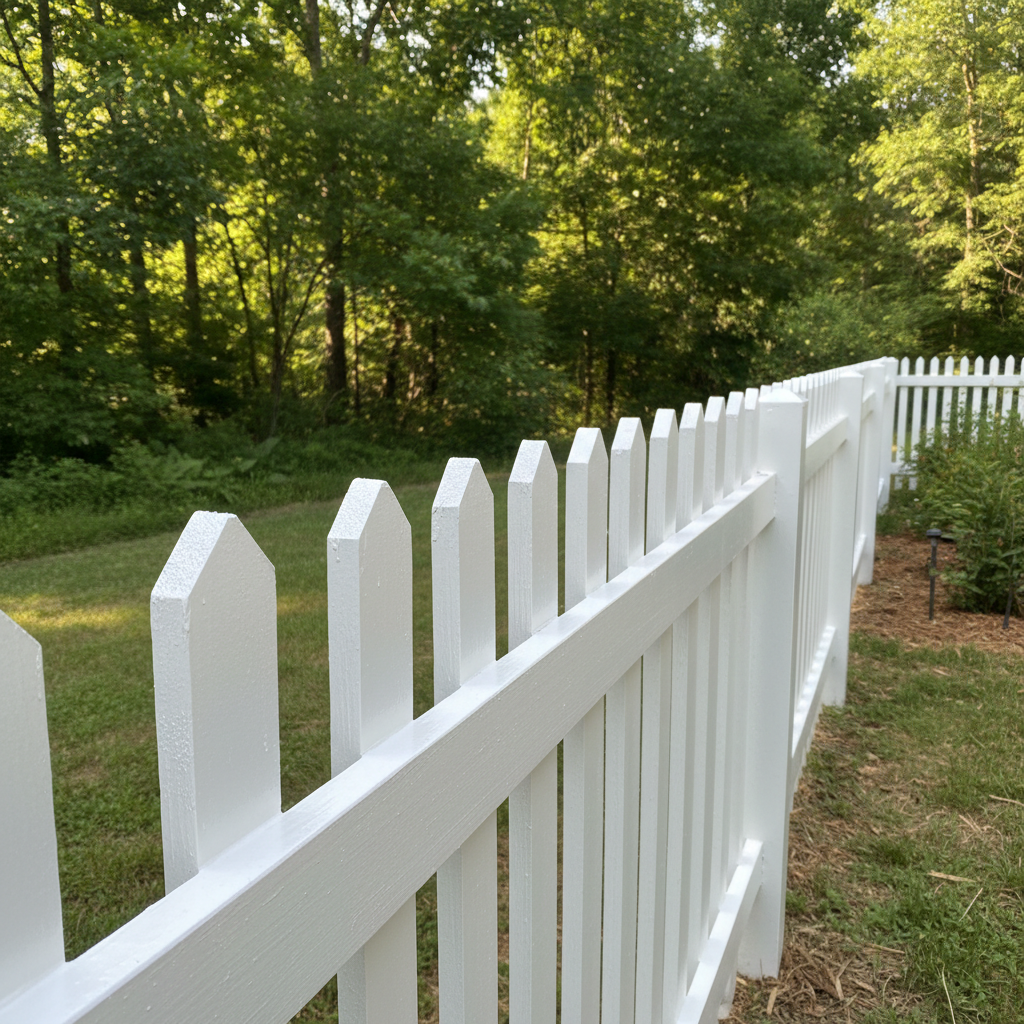
Do I really need to paint or stain my fence? Can't I just leave it?
Look, you absolutely can leave your fence alone. It's your property, after all. But here's the deal: if it's wood, especially the pine or cedar we see a lot of around here, it's going to weather. Fast. The sun's strong UV rays, the heavy rains we get, and even just our Sevierville humidity will start to break down those wood fibers. It'll gray out, crack, splinter, and eventually rot. Painting or staining isn't just about making it look good; it's really about protecting your investment. It seals the wood, keeps moisture out, and blocks those damaging UV rays. You'll get way more years out of a properly protected fence than one left to the elements, trust me.
What's the difference between paint and stain for a fence?
This is a big one, and folks often get 'em mixed up. Paint sits right on top of the wood. It forms a solid, opaque layer that completely covers the wood grain – kind of like a shell. It offers excellent protection from moisture and UV, plus you can pick pretty much any color you want. The downside? It can peel, chip, and crack over time, especially if the prep wasn't perfect or if it's on a high-traffic area. Stain, on the other hand, soaks into the wood. It comes in different opacities: transparent, semi-transparent, semi-solid, and solid. Transparent and semi-transparent stains let the wood grain show through, which many people love, especially with nice cedar. They offer good UV protection but less moisture protection than paint. Solid stains are almost like thin paints; they cover the grain but still let some texture peek through. Stains generally don't peel like paint does; they just fade and wear away, which can make reapplication easier down the road. For a new fence, I often recommend a good quality solid or semi-solid stain. For an older fence that's already seen some wear, paint might be the better choice to cover up imperfections.
How much prep work is actually involved before painting a fence?
Oh boy, this is where most DIY fence painting jobs go sideways. Prep work is probably 70% of the job, maybe even more. You simply can't slap paint over dirt and mildew and expect it to last. First, you've got to clean it. A good power wash is usually the way to go, but you've got to be careful not to damage the wood with too much pressure. Use a wood cleaner or a mild bleach solution to kill any mold or mildew – we certainly see plenty of that around here with our climate. Let it dry completely, and I mean completely, which can take a couple of sunny days. Then, you'll want to scrape off any loose, peeling paint or stain. Sanding might be necessary in some spots to smooth out rough patches or feather edges. Replace any rotten boards. Tighten up any loose nails or screws. If you skip these steps, your new paint job won't stick, it'll peel prematurely, and you'll be doing it again sooner than you'd like. Trust me, it's worth the effort.
What's the best time of year to paint a fence in Sevierville?
Timing is everything. You want a stretch of good weather, and that can be tricky around here. I usually tell folks to aim for late spring or early fall. You need temperatures to be consistently between 50 and 85 degrees Fahrenheit, both day and night. Painting in direct, scorching summer sun can make the paint dry too fast, leading to brush marks or poor adhesion. Painting when it's too cold means the paint won't cure right. And you absolutely need a few days of no rain before, during, and after you paint. Our spring showers can pop up out of nowhere, especially in the foothills, so always check the forecast. Avoid painting during high humidity too, as it can slow drying times and affect adhesion. A clear, mild, low-humidity week is your best friend.
Can I paint a pressure-treated fence?
Yep, you sure can, but there's a catch. Pressure-treated wood is infused with chemicals to prevent rot and insect infestation. When it's new, it's often saturated with moisture from that treatment process. You absolutely cannot paint or stain it right away. If you do, the paint won't adhere properly, and it'll peel off in no time. You need to let it dry out completely, which can take anywhere from a few months to a full year, depending on the wood and the weather. A good test is to sprinkle some water on it; if it beads up, it's still too wet. If it soaks in, you're probably good to go. Once it's dry, treat it like any other wood fence: clean it, prep it, and then apply your paint or stain.
How long does a fence paint job typically last?
That's a tough one to give a single answer for, because it depends on so many things. A high-quality paint or solid stain, applied correctly to a well-prepped fence, can last anywhere from 5 to 10 years, sometimes even longer. Semi-transparent stains usually need reapplication every 2-4 years, as they just fade faster. The type of wood plays a role too; cedar holds up better than pine. Exposure to the elements is a huge factor. A fence on the south side of your property, getting blasted by the sun all day, will fade and wear faster than one in a shadier spot. The quality of the product you use also makes a big difference. Don't cheap out on paint or stain; it's just not worth it. We at All-Star Painters always use top-shelf materials because we know it makes a difference in how long your fence looks good and stays protected.
Is it better to spray or brush/roll fence paint?
Both methods have their pros and cons. Spraying is definitely faster, especially on a long, open fence. You can cover a lot of ground quickly, and it often gives a very smooth, even finish. However, spraying requires a lot more masking and drop cloths to protect your house, landscaping, and your neighbor's property from overspray. You also need to be skilled with a sprayer to avoid runs and drips. Brushing and rolling take more time and effort, but they allow for better control and deeper penetration of the paint or stain into the wood grain, especially with stain. For intricate fences or areas close to other structures, brushing is often the safest bet. Sometimes, a combination is best: spray the bulk of it for speed, then back-brush or back-roll to ensure good adhesion and work the product into the wood. For most homeowners doing it themselves, brushing and rolling might be less intimidating, even if it takes longer. If you're hiring us, we'll assess your fence and recommend the best approach for a quality, long-lasting finish.